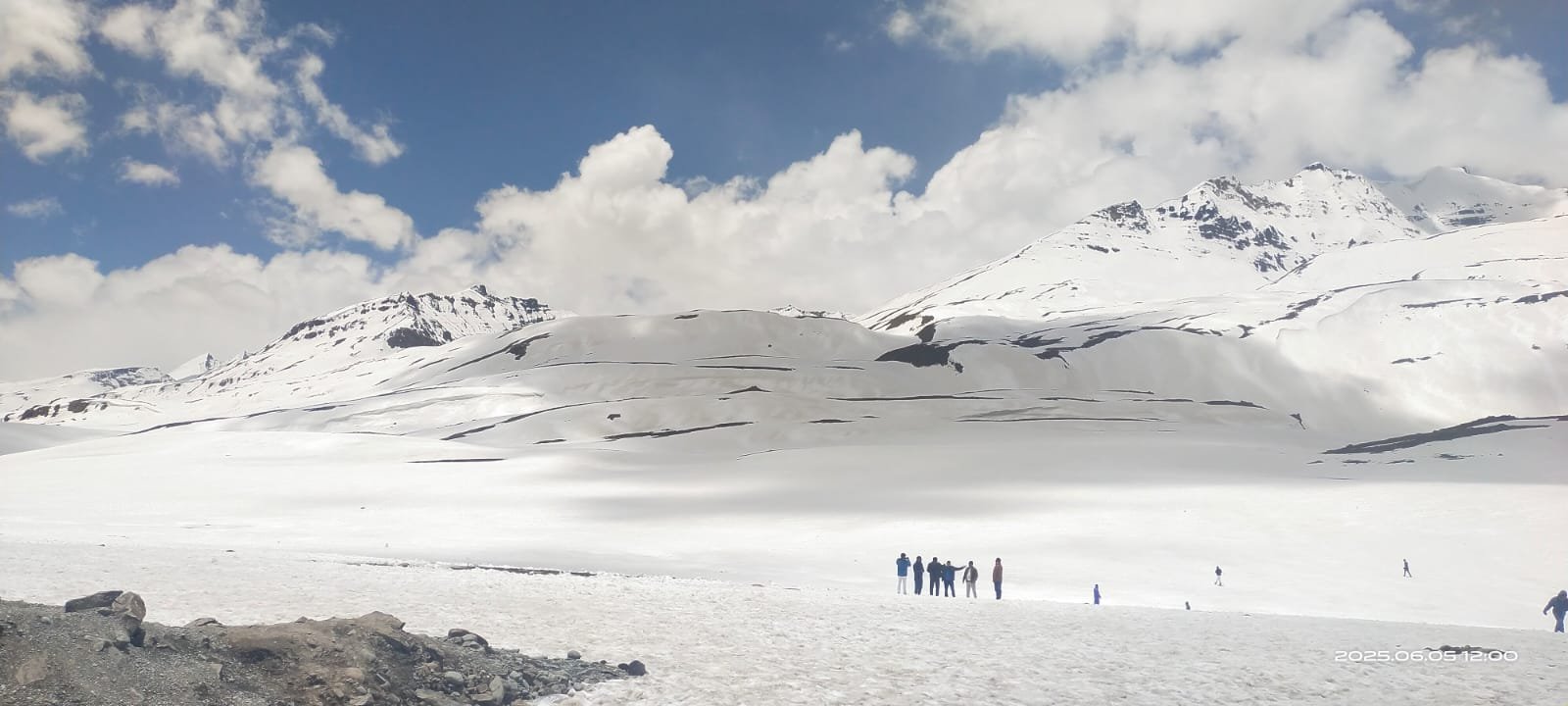
Trek grades are the shorthand every operator uses and almost nobody explains. Ours run Easy, Easy to Moderate and Moderate. The grade describes the walking — how far, how steep, how sustained — and deliberately says nothing about how fit you are.
Easy
Short daily distances on well-defined trails, with a gradual profile and time to acclimatise. Our Easy routes are also our shortest, which compounds the effect: fewer days, fewer hours on your feet each day. Suitable if you walk occasionally and are willing to train a little beforehand.
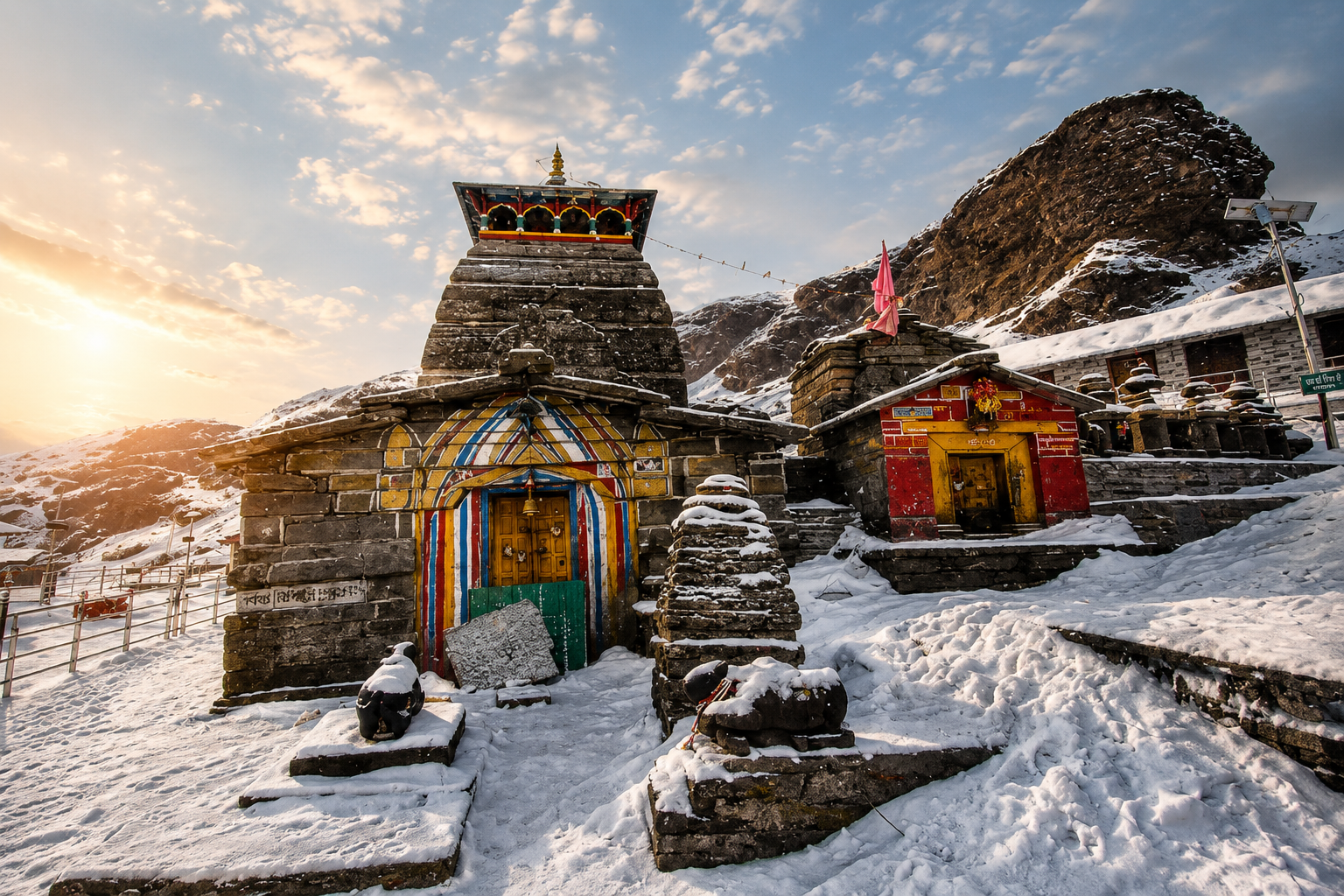
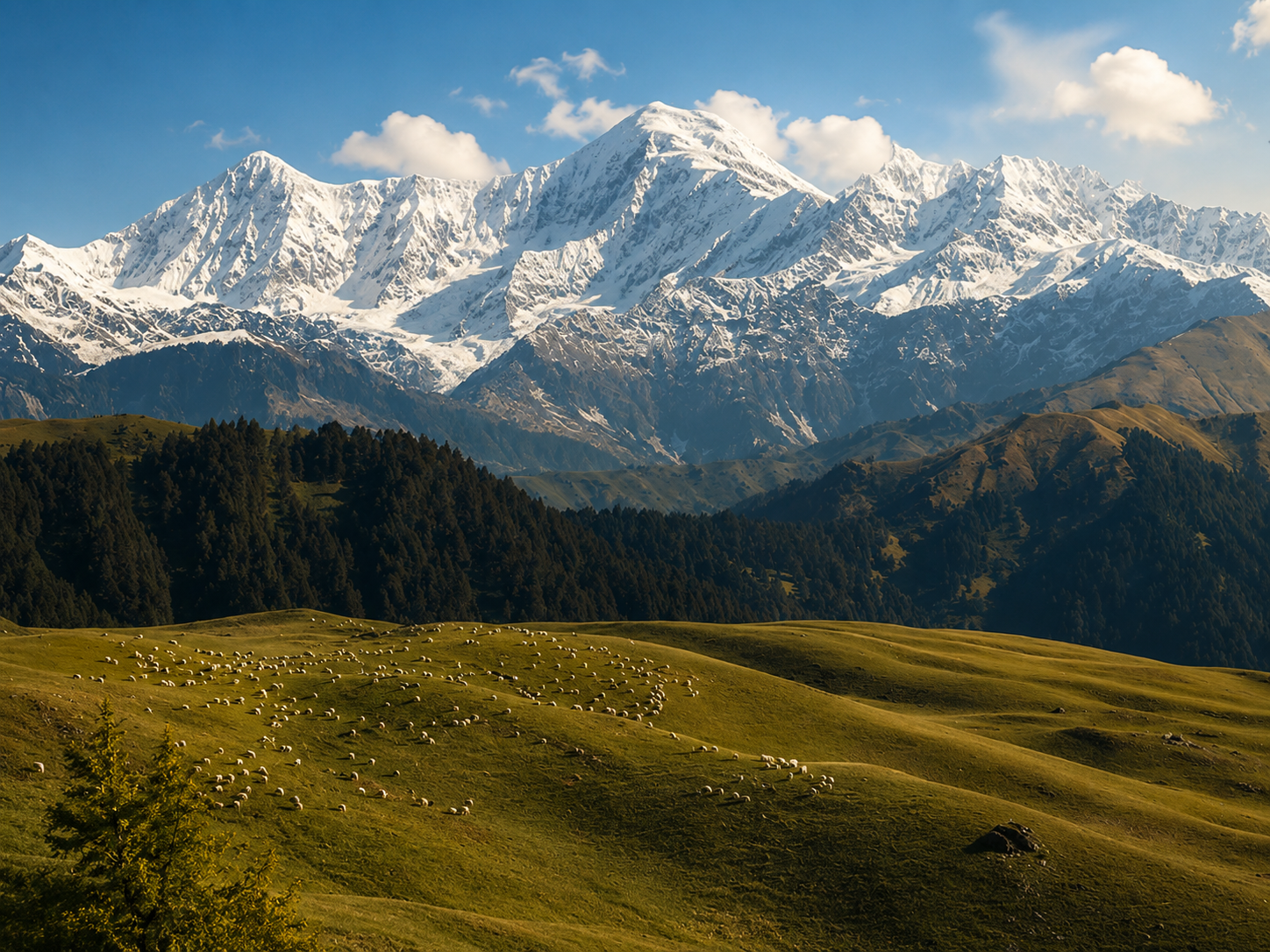
Easy to Moderate
The middle band, and where most of our winter treks sit. Expect a mix of steady and steeper climbs, longer days than an Easy route, and — in season — snow underfoot on the upper sections. A summit day may start before dawn.
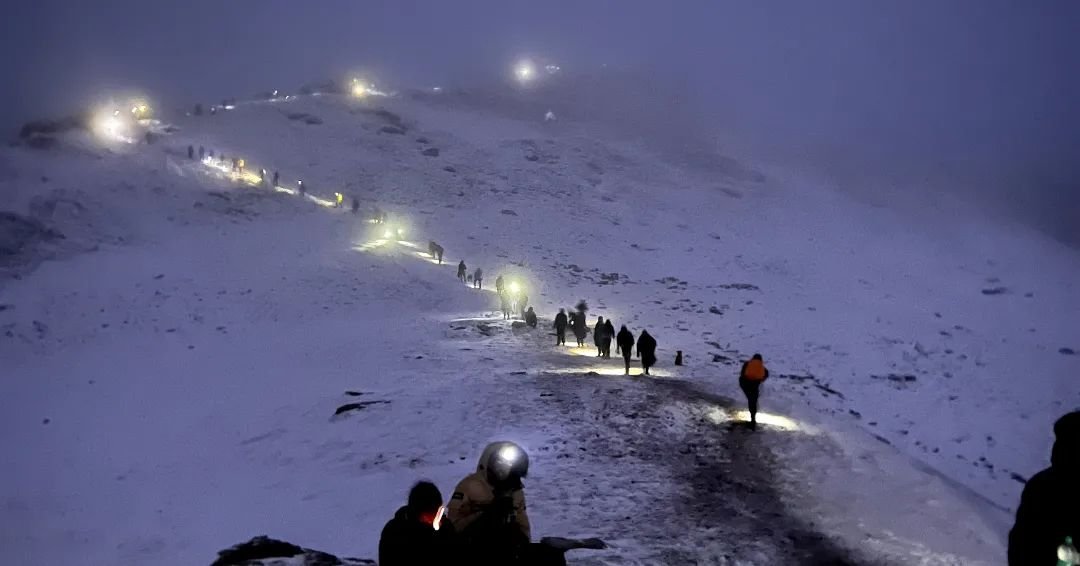
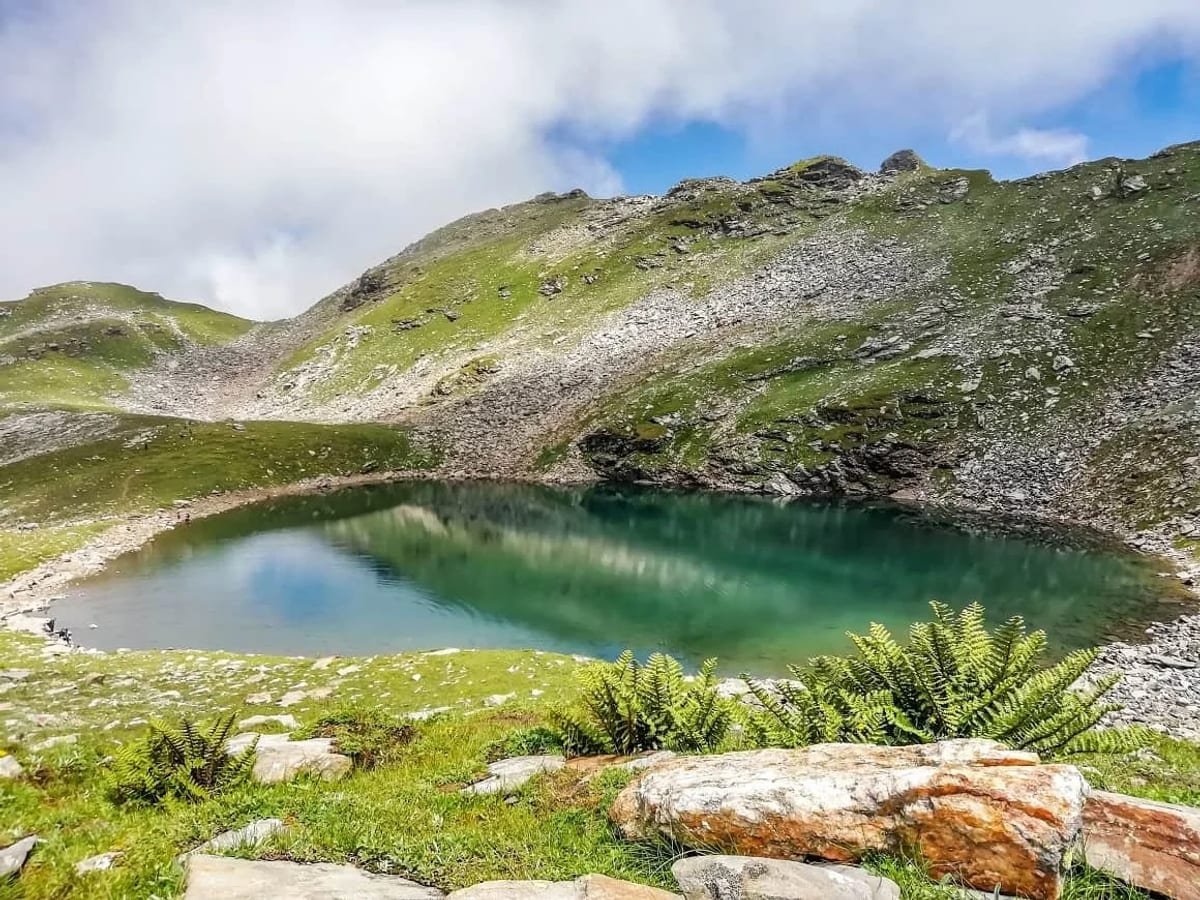
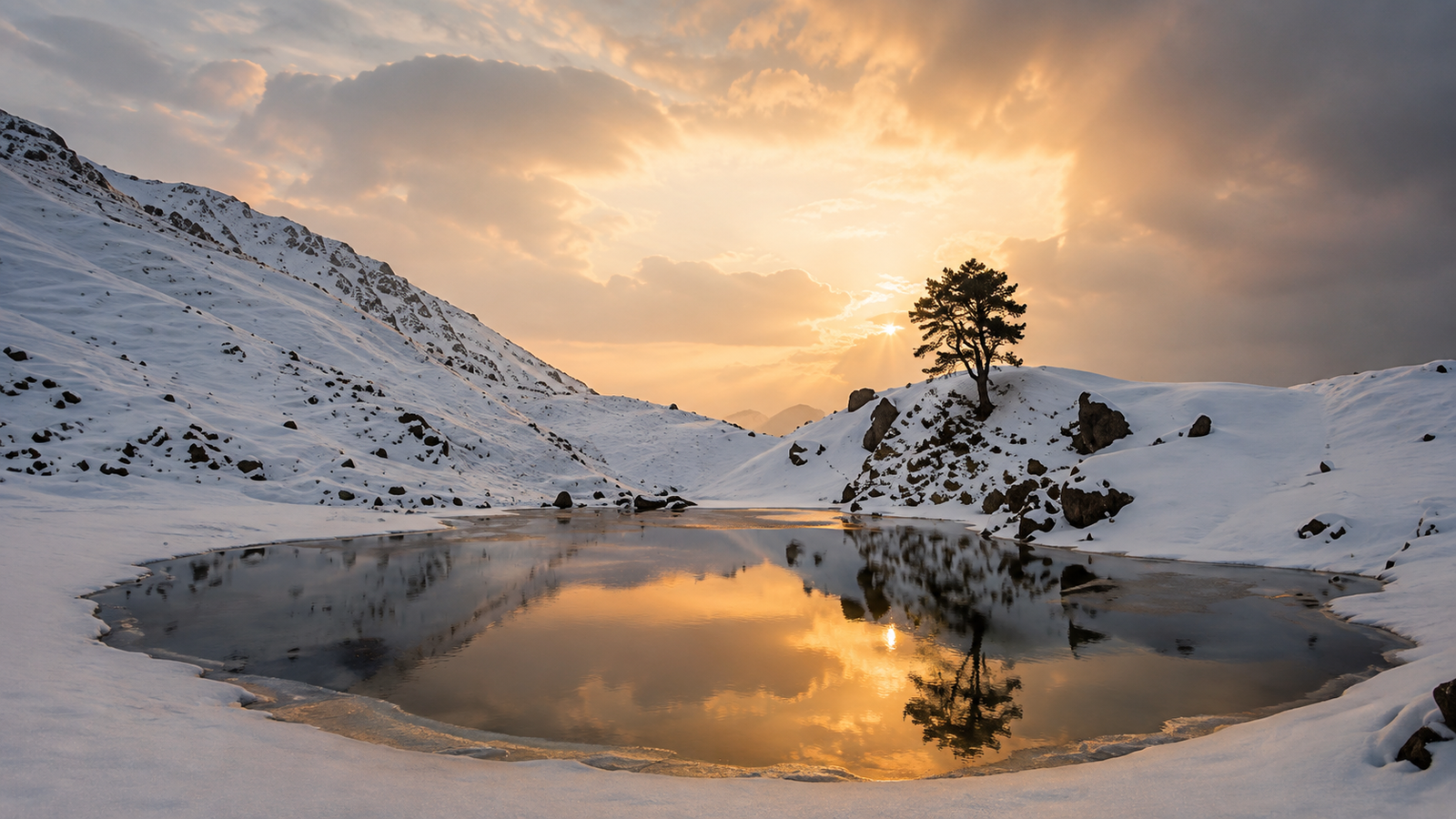
Moderate
Longer routes with sustained ascent, more days at altitude and at least one demanding day — typically a pass crossing or a long out-and-back into a valley. Some sections cross snow or rough ground and need careful footing. Come with hill-walking experience or a serious training block behind you.
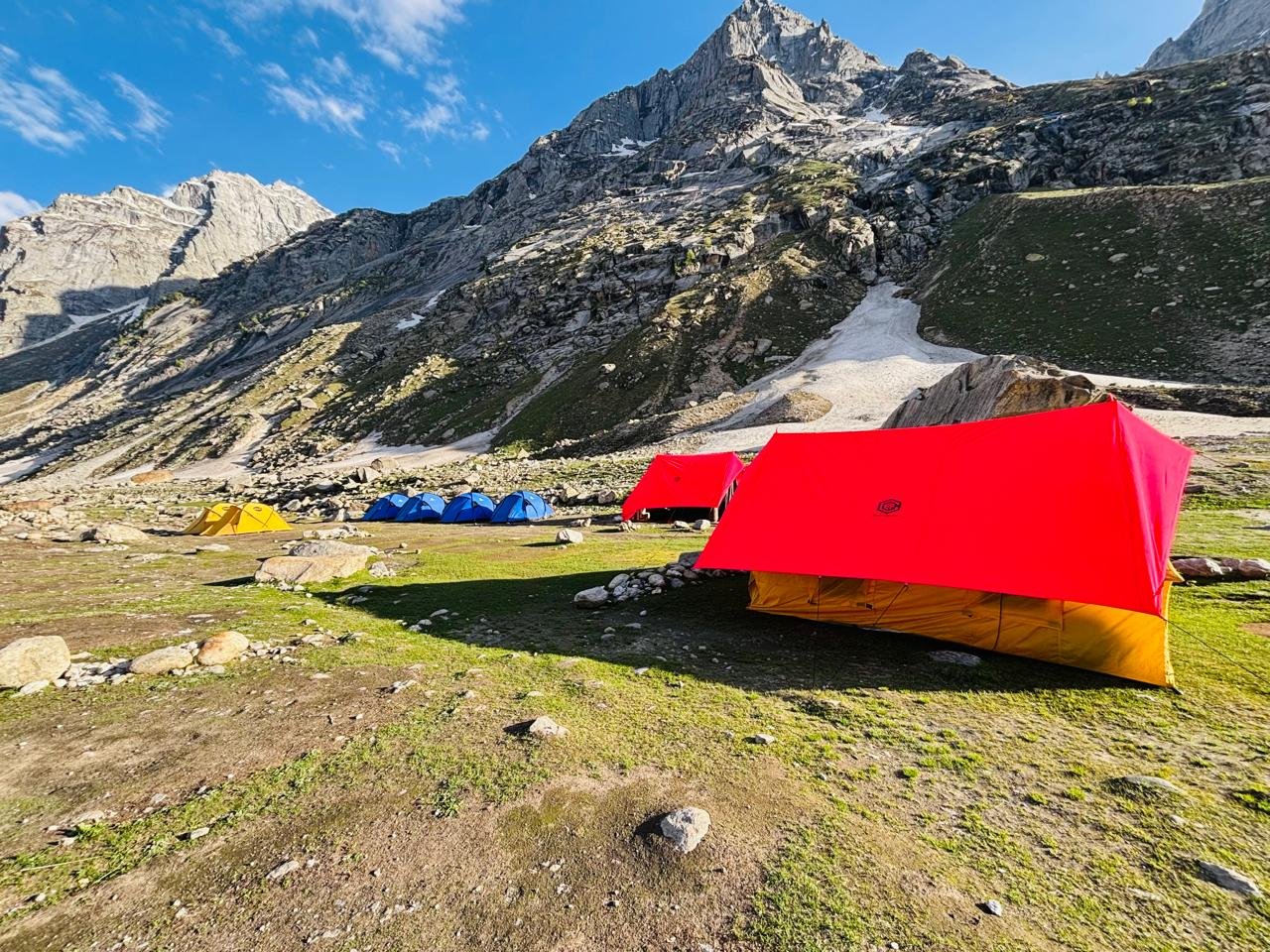
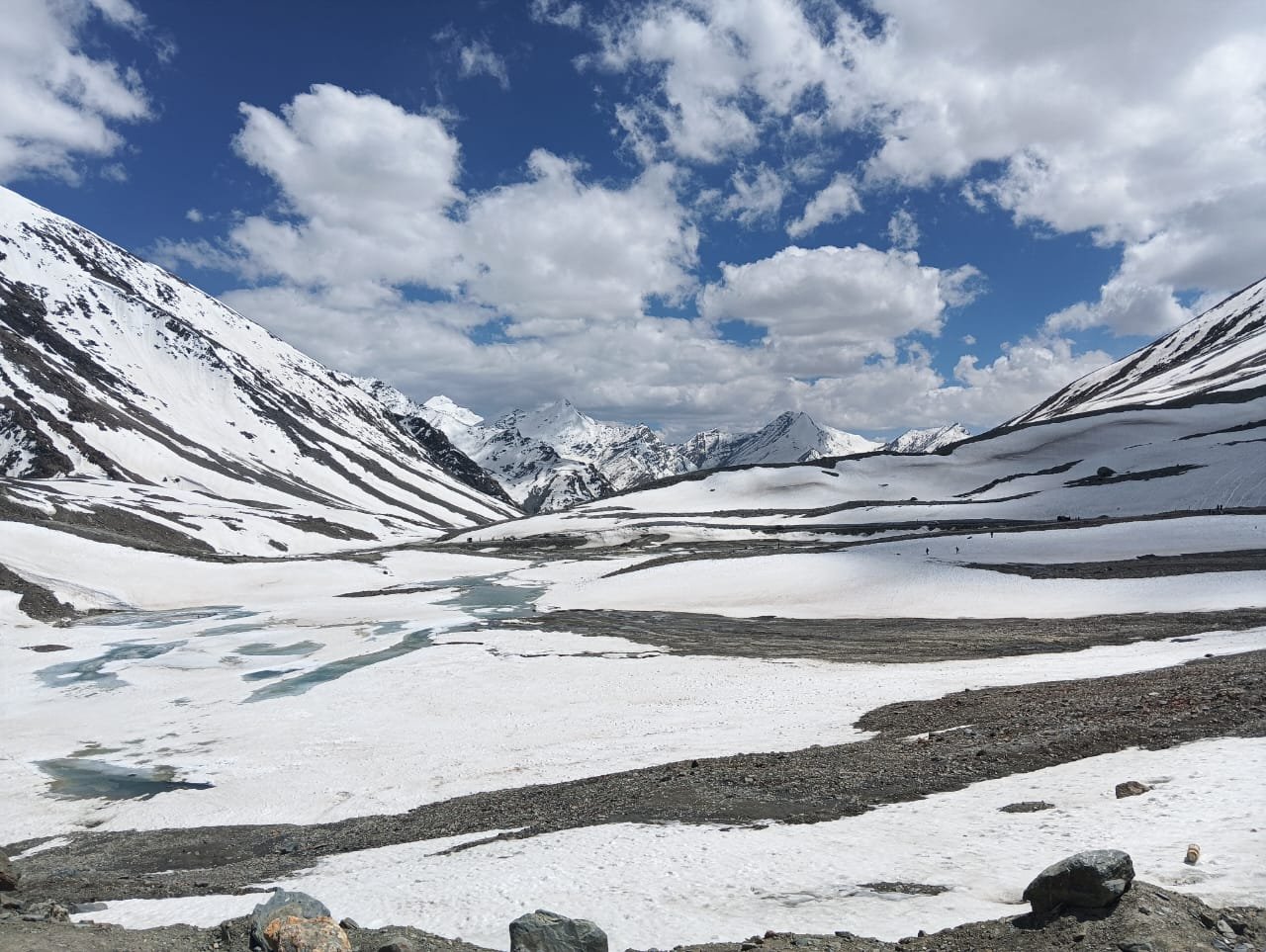
Where altitude fits in
Altitude is graded separately in your head. A short Easy trek can still finish above 12,000 ft, and thin air affects people regardless of fitness. What protects you is the shape of the itinerary — gaining height gradually, sleeping lower than your high point where possible, and building in an acclimatisation walk. Our itineraries are laid out with that in mind, which is why the summit is rarely on day one.
- Drink more water than feels necessary, throughout the day.
- Tell your trek leader early if you feel unwell — headaches and nausea are worth mentioning, not enduring.
- Every group carries an oxygen cylinder and a first aid kit.
- Declare medical conditions before arrival rather than on the trail.
Read the grade together with the distance, the number of days and the maximum altitude on each trek page. Those four numbers, taken together, describe the trek far better than any single one of them alone.