Every trek page on this site lists the same handful of numbers: a grade, a maximum altitude, a total distance and a best season. Those four figures tell you more about whether a trek suits you than any photograph does. If you are choosing a first Himalayan route, read them in that order.
Start with the grade, not the altitude
Altitude is the number people fixate on, but grade is what describes the walking. Our routes run from Easy through Easy to Moderate to Moderate. An Easy trek keeps daily distances short and the ascent gradual; a Moderate one adds longer days, steeper ground and, on some routes, snow underfoot. A first-timer with reasonable general fitness is well served by anything graded Easy.
Our Easy-graded treks — the most forgiving introductions.
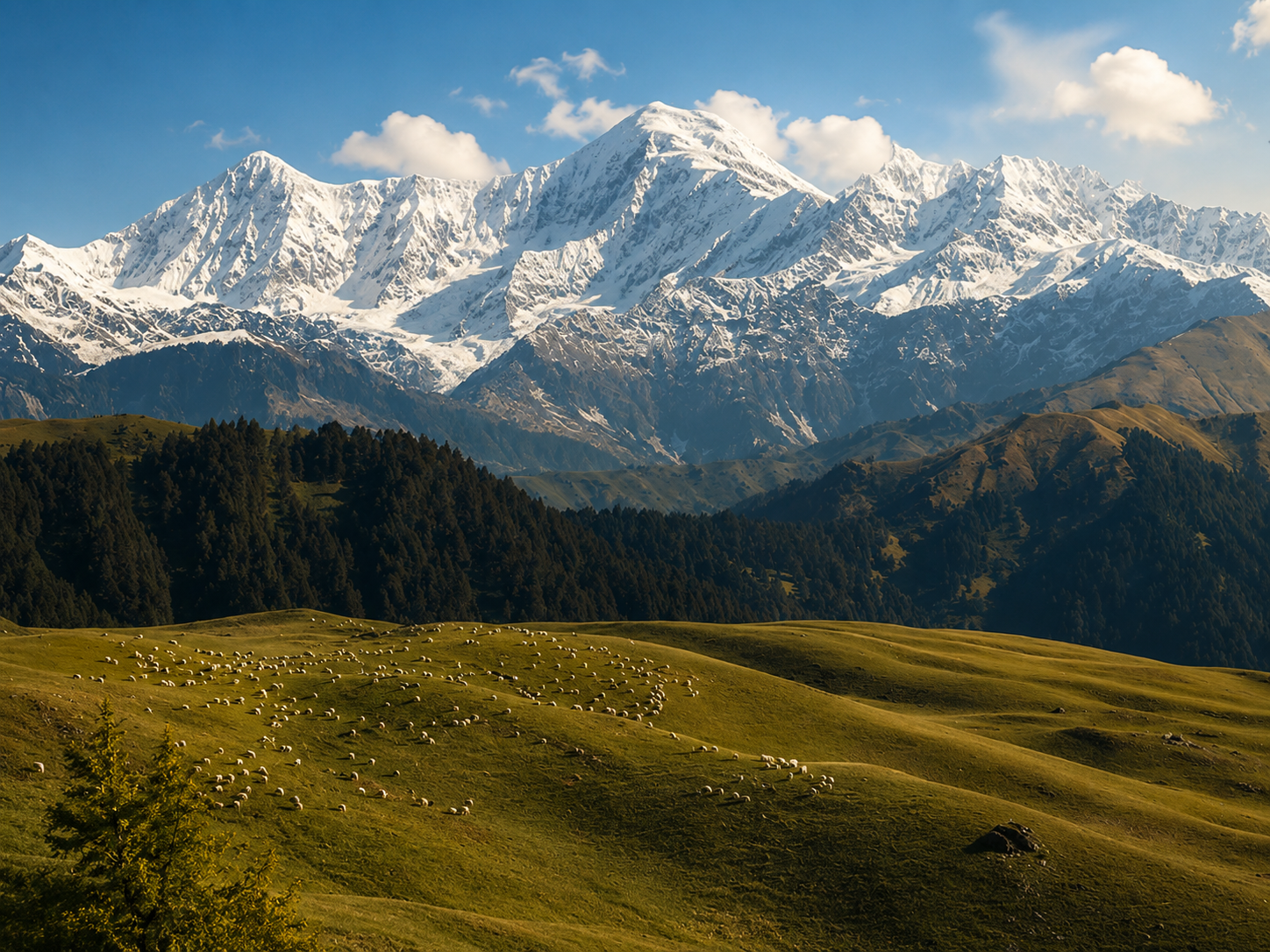
Then look at the number of days
A shorter trek is not simply an easier one, but it does lower the commitment: fewer consecutive days of walking, fewer nights at altitude, and less time away from work. Our shortest routes run three to four days including the drive in and out, which is enough to reach a genuine high point without a week of leave.
Treks of four days or fewer.
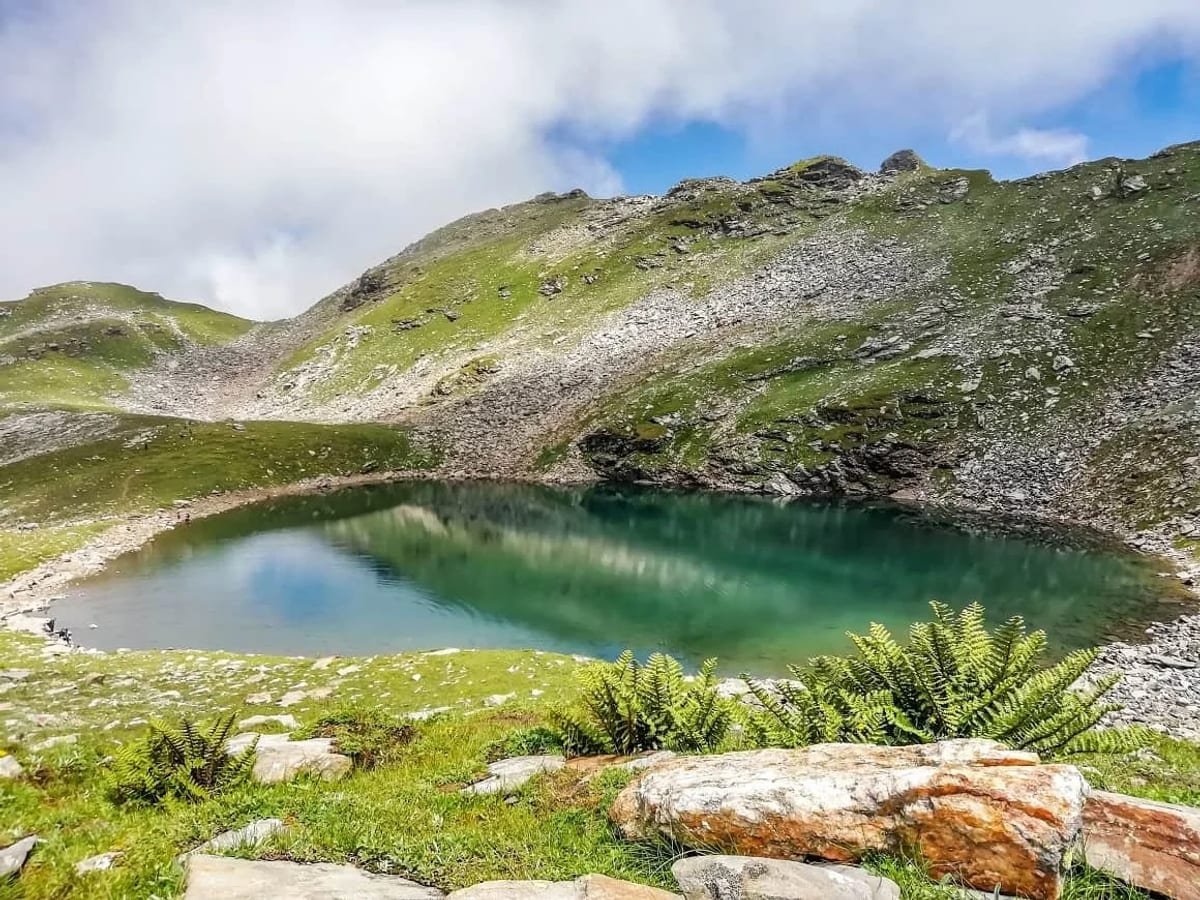
Read the itinerary for the drive, not just the walk
On most Himalayan treks the first and last days are long road journeys — often eight to eleven hours each way — and they are part of the trip whether you enjoy them or not. Check the pickup point on the trek page and plan your travel around it. Several of our routes leave from Dehradun railway station; others start from Rishikesh, Kasol or Manali.
Match the season to what you want to see
The same trail is a different trek in different months. Snow routes run through winter; meadow routes are at their greenest after the monsoon breaks; the flowering valleys need the monsoon itself. Every trek page states its best season, and our season guide breaks the year down month by month.
If you are unsure between two routes, pick the one whose season you can actually travel in. A trek in the right month beats a better trek in the wrong one.
A note on fitness
- Build up to walking continuously for four to five hours before you travel.
- Practise on gradients if you can; flat mileage prepares you less than you would think.
- Carry your loaded backpack on at least a few of those training walks.
- Tell us about any medical condition before you book — every one of our treks asks for this, and it is there for your safety.
Beyond that, arrive rested. The first day of most itineraries is a long drive, and starting it tired is the most common reason a good trek begins badly.